The Psychology Of Choosing A Baccarat Table
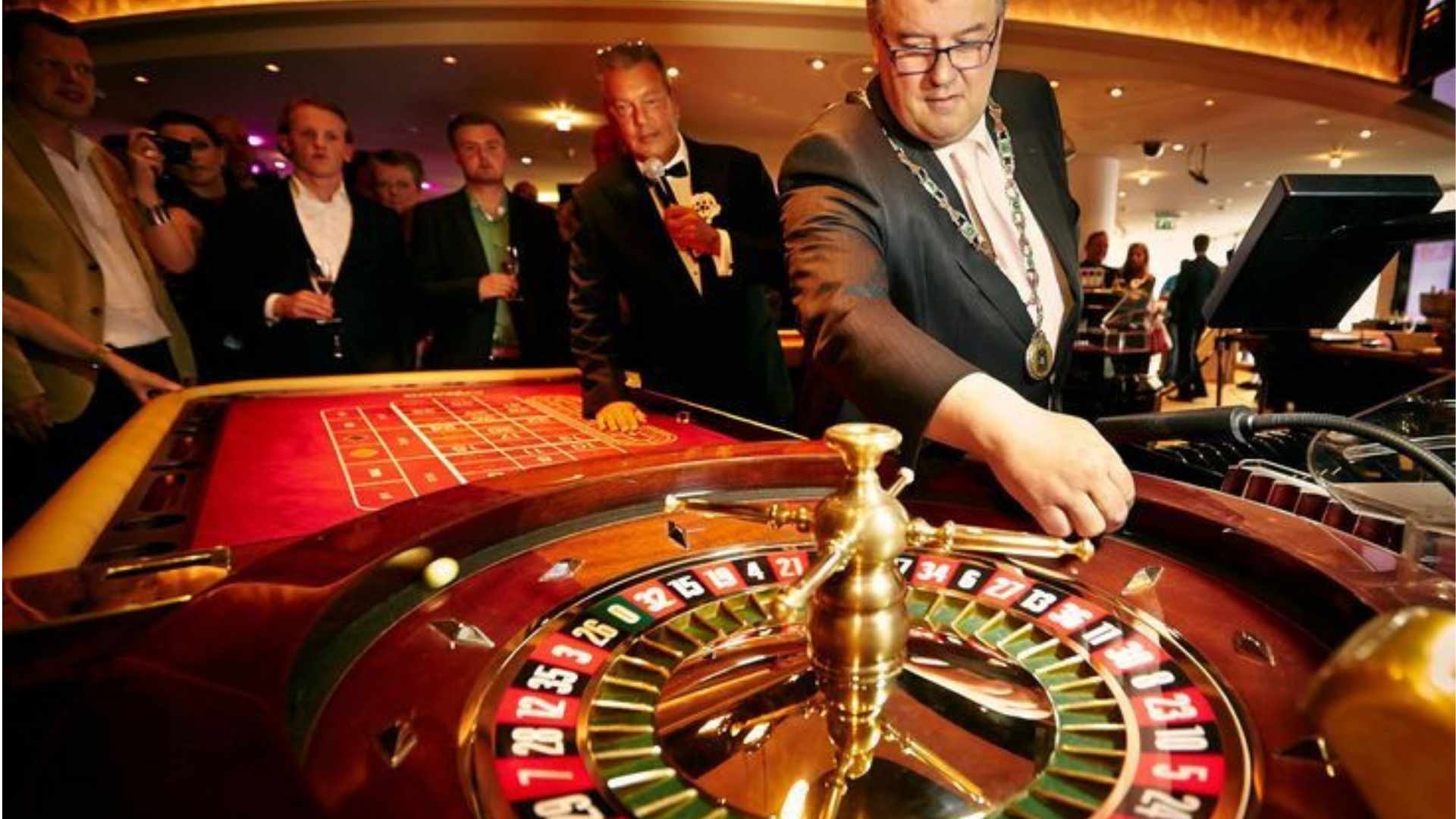
Entering a casino floor or opening a digital lobby presents a fascinating array of options, yet the decision of where to sit involves complex human behavior. While many view baccarat as a game governed purely by math and chance, the selection of a specific environment is deeply rooted in mindset. The mental factors that guide this choice often dictate the overall quality and comfort of the gaming session.
The Illusion of Control and Pattern Seeking
Many participants are drawn to tables based on the history of previous rounds displayed on electronic scoreboards. This behavior stems from a psychological tendency to seek order within entirely random outcomes. Individuals often believe they can predict the next winner by closely analyzing these historical sequences.
This search for trends provides a sense of agency over a game that requires no active physical strategy. Choosing a table with an appealing visual chart satisfies a subconscious desire for predictability. Consequently, the psychological comfort of a perceived pattern outweighs objective statistical probabilities.
Social Dynamics and the Ambiance of the Crowd
The energy surrounding a specific layout plays a massive role in attracting or repelling individuals. Some prefer the quiet isolation of a low-traffic area to maintain intense focus and personal calm. Conversely, others thrive in highly energetic settings where group celebration creates a shared sense of victory.
For those looking to explore this authentic atmosphere in a balanced digital format, finding a reputable brand like M88 asia can offer the perfect environment. The social context heavily influences decision-making, as collective emotions alter individual risk perceptions. Aligning with a crowd that matches one's preferred stress level ensures a sustainable and enjoyable experience.
Superstition and the Comfort of Specific Seats
Human psychology often links positive past experiences to specific physical locations or visual setups. Players frequently select certain table positions based on previous successes or deeply held cultural traditions regarding luck. This behavior reinforces a feeling of safety, reducing the anxiety often associated with risking capital.
Even in modern online formats, individuals will wait for a specific dealer or virtual seat to become available before joining. These ritualistic preferences act as emotional stabilizing mechanisms during high-stakes sessions. By adhering to these comfort zones, participants establish a mindset optimized for patience and relaxation.
Stakes and Personal Risk Tolerance
The financial environment of a specific table creates an immediate psychological barrier or invitation for participants. High-limit areas offer a sophisticated atmosphere that appeals to those seeking intense emotional stimulation and prestige. Meanwhile, standard tables attract individuals who prioritize casual entertainment and long-term bankroll preservation.
Selecting the appropriate limit is vital for maintaining emotional control throughout the game. When the stakes match an individual's realistic comfort level, logical decision-making remains intact. This alignment prevents the common psychological pitfall of chasing losses under high emotional duress.