Recent Post

Beginner Mistakes to Avoid in Scratch Cards ...
Scratch cards offer an incredibly exciting and fast-paced gaming experience that appeals to casual players looking for instant entertainment. However, newcomers often make simple procedural errors that can quickly diminish their overall enjoyment and lead to unnecessary financial losses. Recognizing these common pitfalls early on helps establish sustainable gaming habits and ensures a much more satisfying experience from your very first reveal.
Neglecting to Read the Prize Rules
Many beginners jump straight into purchasing tickets without taking the time to review the underlying prize structures or statistical odds. Every official game series features a unique return-to-player percentage alongside specific distributions of remaining tier payouts. Failing to look over these publicly shared details means you might inadvertently select games that offer less favorable returns.
Additionally, thoroughly understanding the exact winning criteria prevents unnecessary confusion when revealing the hidden sections of the card. Some modern variations require matching three identical icons, while alternative formats rely on uncovering special lucky symbols or accumulating points. Taking a brief minute to read the rules guarantees you know exactly what constitutes a valid winning ticket.
Chasing Losses Without a Budget
Because instant win games deliver immediate feedback, it is exceptionally easy to lose track of elapsed time and overall session expenses. A frequent emotional mistake among novices is purchasing additional tickets immediately after a losing round in an attempt to recover lost funds. This reactive behavior often leads to accelerated overspending and transforms a lighthearted hobby into a stressful financial burden.
Establishing a definitive budget before you begin playing is the single most effective strategy for maintaining complete control. For instance, individuals exploring modern digital variations on platforms like M88 esports can easily manage their sessions by setting strict daily limits. Adhering strictly to these pre-determined limits ensures that your entertainment remains entirely affordable and stress-free over the long term.
Misunderstanding the Role of Randomness
New players frequently succumb to the common cognitive bias that previous outcomes somehow influence future ticket results. They mistakenly assume that enduring a long sequence of non-winning cards guarantees that the next purchase will be a jackpot. In reality, every single ticket is entirely independent of the next, meaning past performance has no statistical bearing on subsequent attempts.
Modern online versions utilize highly sophisticated random number generators to ensure that each outcome is completely unpredictable and fair. Fully accepting this inherent randomness helps participants maintain realistic expectations whenever they interact with these games. It ultimately removes the psychological pressure of trying to discover hidden patterns where absolutely none exist.
Overlooking Platform Security and Credibility
With the rapid global expansion of digital entertainment platforms, selecting a secure and fully verified gaming environment is absolutely paramount. Beginners sometimes register on unverified websites simply because they feature flashy graphic animations or highly exaggerated bonus claims. This critical oversight puts personal data privacy and financial transactions at an unnecessary and dangerous risk.
Prioritizing licensed operators that maintain total transparency regarding their payout percentages protects your absolute peace of mind. Highly reputable platforms ensure that their software systems are regularly audited by certified independent third parties to guarantee authentic fairness. Taking the time to verify these regulatory credentials ensures a safe, protected, and fully compliant gaming experience.
A Beginner's Guide to Lucky Draw Games ...
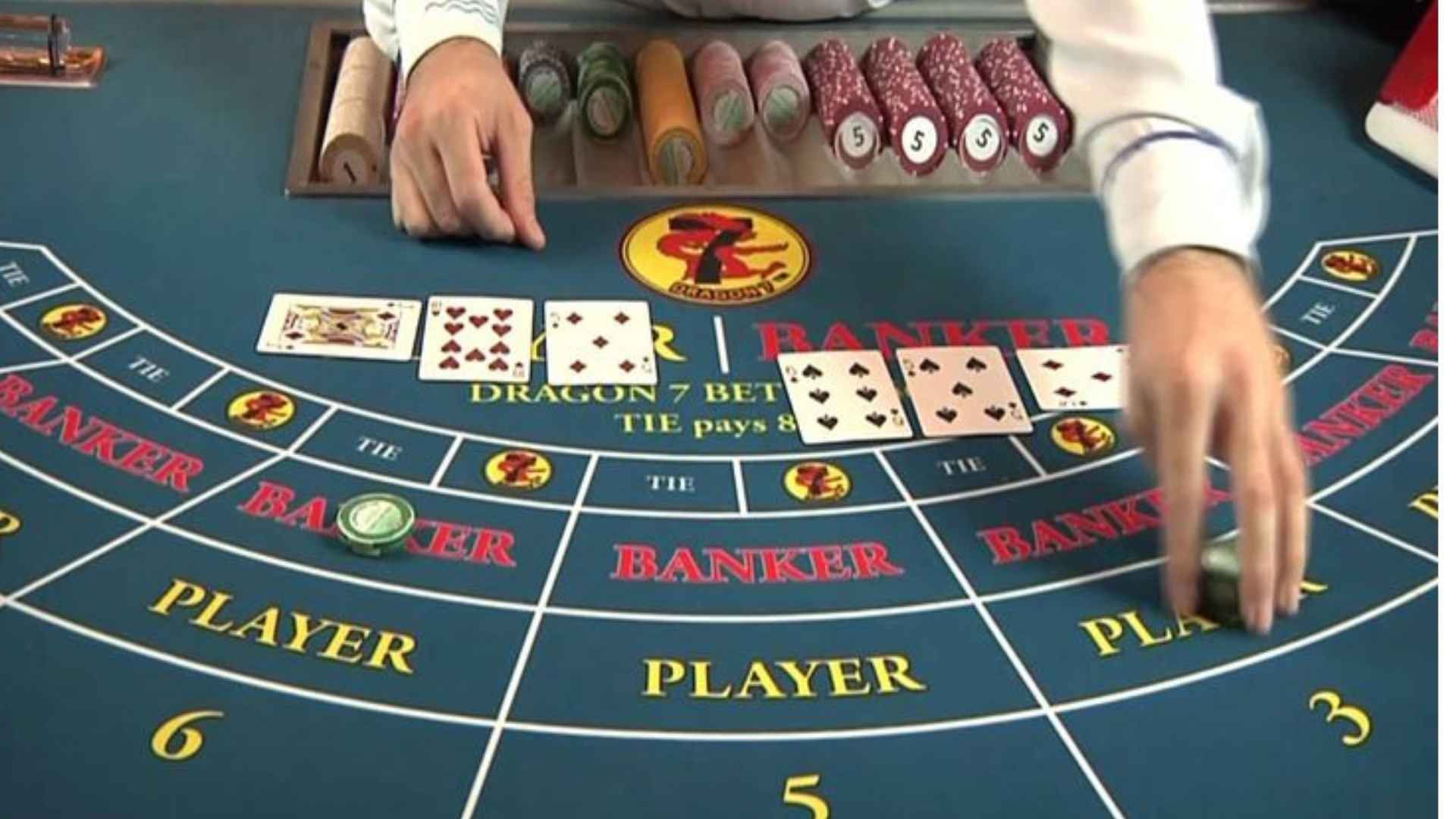
Lucky draw games have become incredibly popular across both physical corporate events and digital marketing platforms worldwide. These promotional activities offer participants an exciting opportunity to win valuable prizes purely through random selection rather than skill. Understanding the fundamental rules of these games can significantly enhance your overall experience and keep your expectations properly balanced.
What Are Lucky Draw Games
At their core, lucky draws are promotional contests where winners are chosen completely by chance. Participants are typically assigned a unique entry ticket, number, or token after fulfilling a basic requirement. This straightforward mechanic ensures that every single submission has an equal mathematical probability of being selected for a reward.
Modern adaptations have transitioned smoothly into the online ecosystem, appearing frequently on retail websites, streaming channels, and mobile applications. Many internet enthusiasts closely follow these digital trends to discover new virtual giveaways and competitive updates, including the latest news regarding M88 esports platforms. This digital evolution has made participation much more accessible to a global audience of beginners.
How Participation Works for Beginners
Entering a basic lucky draw is usually an intuitive process designed by brands to encourage maximum public engagement. In most cases, you might need to purchase a specific product, subscribe to a newsletter, or interact with a social media post. Once this simple condition is successfully met, your credentials are automatically added to the official participant pool.
However, it is always essential for newcomers to carefully read the specific terms and conditions before joining any draw. Some international events restrict entries based on geographic location or age limits, while others openly permit multiple entries per person. Knowing these detailed operational guidelines beforehand saves valuable time and ensures your submission remains eligible for prizes.
The Mechanics of Random Selection
Transparency is absolutely vital for maintaining trust between the event organizers and the individuals participating in the draw. Traditional methods often involve physically drawing a folded paper ticket from a large rotating drum or a transparent container during a live event. This classic visual approach provides immediate reassurance to the audience that the selection process is entirely fair and uncompromised.
In contrast, contemporary online platforms utilize advanced software programs known as random number generators to pick winners instantly. These automated computer systems are specifically programmed to eliminate human bias and deliver completely unpredictable results. Reputable promotional brands regularly have their digital selection software audited by independent third-party agencies to verify its ongoing integrity.
Tips for Safe and Healthy Engagement
While the prospect of winning major prizes is undeniably exciting, it is crucial to approach these activities with a healthy mindset. Beginners must remember that the final outcomes are based entirely on luck, meaning it is best to treat participation as a fun activity rather than a reliable strategy. You should never invest excessive time or money just to acquire additional entry tokens.
Additionally, new participants should always remain vigilant against potential online scams that mimic official brand giveaways. Legitimate organizations will never ask you for confidential banking details or upfront processing fees to release a prize you have won. Verifying the authenticity of the hosting company will protect your personal information while you safely enjoy the thrill of the game.

Best Ways to Enjoy Keno Online ...
Digital gaming platforms have revolutionized how we interact with classic lottery-style entertainment, providing unprecedented convenience and flexibility. Engaging with keno from the comfort of your own home offers a dynamic alternative to traditional casino environments, allowing you to control the pace of the action entirely. Finding the right approach to virtual draws ensures that your gaming sessions remain highly entertaining and structured safely.
Choosing the Right Gaming Platforms
The first critical step in maximizing your digital experience involves selecting a trustworthy and fully licensed platform that prioritizes player safety. Reputable gaming portals utilize certified random number generators to ensure that every drawing remains completely unbiased and secure. Exploring top-tier sites like the popular M88 esports platform can provide an engaging, well-managed environment equipped with diverse grid variants.
Furthermore, an excellent virtual venue should present clear payout structures that help you understand the specific rules before placing any wagers. Reviewing player testimonials and looking for robust regulatory credentials will protect your personal information while enhancing your overall peace of mind.
Implementing Smart Spot Selection Strategies
Unlike traditional formats where tracking historical draws can feel overly restrictive, digital grids allow you to experiment freely with various spot combinations. Many casual participants find enjoyment by picking between five to eight numbers, balancing the overall odds against the potential prize tiers. Selecting too many spots often reduces the statistical likelihood of achieving a complete match, while choosing too few limits the gameplay thrill.
You can also utilize automated selection tools to instantly generate quick random picks, completely removing guesswork from your creative routine. Varying your style between manual selections and automated choices keeps the session experience fresh and mentally engaging.
Managing Your Virtual Gaming Budget
Establishing concrete boundaries before starting any interactive session represents a cornerstone of responsible and sustainable digital entertainment. Segmenting your entertainment funds into smaller, distinct micro-bets allows you to enjoy a significantly higher volume of rounds without incurring sudden losses. Because electronic draws conclude rapidly, monitoring your spending velocity helps maintain absolute control over the entire experience.
Setting digital time limitations on your device also ensures that you step away periodically to maintain a balanced daily schedule. Viewing the activity strictly as a source of casual amusement rather than a reliable financial avenue guarantees long-term enjoyment.
Exploring Unique Modern Game Variants
The online environment introduces innovative features that are rarely found inside traditional brick-and-mortar gaming halls. Multipliers, progressive prize structures, and vibrant animated themes can inject a brand-new layer of excitement into the standard number grid. Experimenting with these diverse variations allows you to discover which thematic aesthetic aligns best with your personal tastes.
Many contemporary applications are fully optimized for mobile devices, enabling seamless access during short breaks or daily commutes. This remarkable technological flexibility transforms a historic lottery tradition into a modern, adaptive hobby tailored for the current digital generation.

How to Prepare for Your First Rummy Tournament ...
Stepping into the competitive arena of card gaming for the first time brings a mix of high excitement and unique challenges. While playing casual games with friends offers a relaxed environment, an organized rummy tournament requires a higher level of precision, focus, and strategic awareness. Proper preparation is the key to managing your nerves and ensuring that your skills translate effectively onto the tournament table.
Mastering the Rules and Score Formatting
Before entering any official competition, you must thoroughly review the specific tournament rules, which often vary from standard home games. Many formats implement strict point caps or unique elimination mechanics that directly influence how safely you should play your cards. Understanding these subtle structural variations ensures that you will not be caught off guard by a sudden penalty during critical moments of play.
Time management is another crucial element, as tournament formats almost always utilize rapid timers for every individual turn. New competitors frequently make costly errors when forced to make decisions under the pressure of a ticking clock. Practicing with a timer beforehand will help you build a steady rhythm and prevent panic when the pressure begins to mount.
Developing a Solid Tactical Routine
A successful tournament performance relies heavily on your ability to maintain intense concentration over several consecutive hours. You must train your eyes to track not only your own cards but also every single discard made by your opponents across the table. This disciplined habit of observation gives you vital clues regarding the specific sequences your rivals are attempting to assemble.
In addition to tracking cards, knowing when to execute a calculated drop or fold is a hallmark of an experienced tournament player. If you are dealt an unplayable hand, accepting a minor, fixed point penalty early is often much smarter than risking a massive point deficit. Exploring competitive digital platforms like the M88 esports portal can offer excellent real-time practice for refining these defensive habits against diverse playstyles.
Mental Conditioning and Table Etiquette
Managing your psychological state is just as important as mastering the technical aspects of the card game. It is completely normal to experience initial nervousness, but letting emotions dictate your moves usually leads to premature elimination. Developing a calm, repeatable routine before each round helps clear your mind and maintains your focus on long-term consistency rather than short-term luck.
Finally, maintaining excellent table etiquette and demonstrating respect toward tournament officials ensures a smooth experience for everyone involved. Treat every opponent with courtesy, follow the dealer's instructions without hesitation, and view any early losses as valuable lessons for your next event. By balancing sharp tactical preparation with emotional discipline, you will establish a strong foundation for a rewarding competitive journey.

How Wheel of Fortune Mechanics Create Excitement ...
The timeless appeal of wheel-based games lies in their brilliant combination of simple rules, anticipation, and psychological tension. Every time a player spins the wheel, they trigger a complex emotional cycle that keeps both participants and home audiences completely captivated. By blending risk with rewarding possibilities, these unique systems create an interactive environment where anyone can feel like a winner.
The Psychology of the Spin
The physical act of spinning a massive wheel introduces a tactile element of suspense that digital formats replicate with high-precision physics. Watching the pointer tick slowly past different segments creates a micro-narrative of hope and anxiety within a matter of seconds. This brief delay between the action and the result is the primary driver of emotional engagement in modern gaming layouts.
Furthermore, the visual representation of potential outcomes allows players to calculate their chances in real time, enhancing the overall immersion. When the wheel almost lands on a massive prize but ticks one segment further, it triggers a powerful near-miss effect that encourages players to try again. This structural design ensures that even losses can feel exciting and filled with potential.
Balancing Randomness with Strategic Choices
While the wheel itself is governed by probability, the surrounding gameplay mechanics introduce layers of skill and decision-making that appeal to competitive minds. Players must constantly choose whether to risk their current earnings on another spin or solve the puzzle safely to secure their bankroll. This constant risk assessment transforms a game of pure luck into a highly engaging intellectual battle.
By giving players control over when to buy vowels or guess consonants, the system instills a sense of personal agency over the final outcome. Many gaming enthusiasts who enjoy high-stakes decisions look for modern variations on platforms like M88 esports to test their predictive skills. Combining tactical letter choices with random outcomes ensures that no two sessions ever unfold in the exact same way.
The Power of Hidden Information
Another masterstroke of design is the puzzle board itself, which utilizes a classic word-completion mechanic to generate constant interest. As letters are slowly revealed, the mental challenge shifts from a game of chance to a rewarding cognitive exercise. Viewers at home and players in the studio find themselves racing against each other to solve the hidden phrase first.
This cooperative yet competitive dynamic is highly unique because it allows the audience to feel smarter than the actual contestants when they decode the message early. The gradual revelation of clues maintains a steady pace of entertainment throughout the session, preventing any dull moments. It proves that mystery is just as important as physical action when building a successful game loop.
Managing Risk with High-Stakes Segments
The presence of penalty spaces like Bankrupt or Lose a Turn on the wheel introduces an essential element of dramatic tension. These negative spaces ensure that no player ever feels completely safe, regardless of how much virtual money they have accumulated. This constant threat of losing everything keep the stakes incredibly high until the final second of the round.
Ultimately, these mechanics work in perfect harmony to deliver a balanced and satisfying entertainment experience. The mixture of physical anticipation, strategic choices, and sudden shifts in fortune keeps the gameplay feeling fresh and universally accessible. By mastering these core elements, designers continue to capture the imagination of players across the globe.

The Psychology Behind Mystery Box Purchases ...
The modern retail environment relies heavily on experiential engagement to capture consumer attention. Among the most prominent trends driven by this shift is the rise of the mystery box, which turns standard shopping into an unpredictable event. Consumers are increasingly drawn to these packages because the thrill of the unknown offers deep emotional and psychological satisfaction.
The Power of Anticipation and Dopamine
Human psychology is deeply affected by uncertainty, especially when it is paired with the potential for a positive reward. Neuroscientific research shows that the brain releases higher levels of dopamine during the period of anticipation rather than the actual moment of acquisition. This means that the curiosity felt before opening a mystery package is often more intense than the satisfaction of owning the items inside.
This variable reward schedule mirrors the mechanics found in gaming and modern digital entertainment platforms. For instance, many consumers who enjoy virtual rewards seek out immersive options like M88 esports to experience a similar rush of excitement. Ultimately, the unpredictable nature of these purchases creates a repeatable cycle of curiosity and fulfillment that standard retail cannot replicate.
The Appeal of Curation and Value Perception
Beyond the neurological thrill, mystery packages appeal to a consumer's desire for expert curation and financial value. Many buyers look at these assortments as a shortcut to discovering new trends without spending hours researching products themselves. The retail value of the collective items usually meets or exceeds the initial cost, creating a strong sense of a smart investment.
This perception of receiving a bargain reduces the consumer guilt often associated with impulse buying. When people feel they are getting an exclusive deal curated specifically for their interests, their satisfaction increases significantly. This smart retail strategy effectively rebrands standard commercial transactions into customized consumer rewards.
Social Validation and the Fear of Missing Out
Modern social media platforms have amplified the psychological triggers of mystery shopping on a global scale. Unboxing videos and live streams allow creators to share their genuine surprise and excitement with millions of viewers instantly. This creates a powerful secondary experience, tempting audiences to participate so they do not feel left out of a trending cultural moment.
The fear of missing out drives community engagement and encourages peer-to-peer validation across online forums. Seeing someone else uncover a rare or highly valuable item convinces ordinary shoppers that they could be equally lucky. This collective enthusiasm ensures that surprise retail concepts remain highly relevant in today's digital economy.
Smart Advice for Balanced Consumer Choices
While exploring mystery options can be an entertaining hobby, maintaining healthy buying habits requires an intentional approach. Consumers should focus on researching the credibility of sellers to ensure a fair distribution of items and genuine brand quality. Checking independent reviews and verified unboxing histories helps minimize the risk of financial disappointment.
Setting a firm personal budget allows shoppers to enjoy the surprise elements without compromising their financial security. Viewing the purchase as a form of interactive entertainment rather than a guaranteed investment ensures a healthy mindset. With the right perspective, participating in this unique market offers a fun and memorable break from conventional shopping routines.

Bridge Games for Beginners: Everything You Need to Know ...
Bridge is a globally celebrated trick-taking card game that brings together social interaction, strategic depth, and sharp mental execution. Traditionally played by four participants divided into two competing partnerships, it offers an engaging challenge that rewards patience and cooperation. Taking your very first steps in this captivating hobby can seem daunting, but mastering the basic structure opens the door to a lifelong passion.
Understanding the Basics of the Game
The game of bridge utilizes a standard deck of fifty-two cards, with each player receiving exactly thirteen cards at the beginning of a round. The primary objective is for your partnership to win tricks, which are rounds of four cards played in turn around the table. Players must always follow the lead suit if they can, making hand evaluation a fundamental starting point for every hand.
To grasp the underlying logic, many beginners seek expert guides and interactive communities across M88 asia to sharpen their strategic understanding. Understanding how different card values rank is essential because high cards generally secure the initial tricks. Learning these core mechanics will quickly elevate your confidence as you transition from basic practice to structured games.
Navigating the Auction and Bidding Phase
Before any cards are played, players engage in a structured bidding process to establish the contract for that particular hand. This auction serves as a detailed conversation where partners exchange information about their suit distributions and general hand strength. The highest bid ultimately determines the number of tricks your partnership must win and whether a trump suit will be used.
As a newcomer, starting with simple and highly standardized bidding conventions is highly recommended to avoid confusing your partner. Clear communication is the absolute key to predicting how your combined cards will perform against your opponents. Mastering this preliminary phase is often what separates enthusiastic beginners from experienced, consistent players.
Executing Your First Strategic Plays
Once the final contract is decided, the play of the cards begins with the opening lead from the defender to the left of the declarer. Following this lead, the declarer's partner lays their cards face up on the table, becoming the dummy for the rest of the hand. The declarer then directs the play for both hands, striving to meet or exceed the bidding target.
Defenders, on the other hand, must work together seamlessly to disrupt the declarer's plan and defeat the contract. Success in this phase relies heavily on careful observation, memory retention, and keeping track of which cards have already been played. With consistent practice, analyzing the table layout will soon become second nature to you.
Badugi Poker Strategy for Beginners ...
Badugi is an exciting and unique draw poker variant that belongs to the lowball family of card games. Unlike traditional poker formats that utilize five-card hands, this game challenges players to build the lowest possible four-card hand consisting of different suits and completely unpaired ranks. Developing a solid foundational strategy early on is essential for finding consistent success at the tables.
Understanding Hand Rankings and the Perfect Badugi
To succeed in this game, you must first master its distinct hand ranking system. The ultimate goal is to hold a "Badugi," which refers to any four-card hand that contains four different suits and no pairs. Aces are always counted as low cards, meaning the absolute best possible hand you can achieve is Ace-2-3-4 of four different suits.
If your hand contains duplicate suits or paired cards, you must discard the redundant cards at showdown, reducing your hand to a three-card or even a two-card hand. Any four-card Badugi will automatically beat a three-card hand, regardless of how low the numerical values on the three-card hand are. This makes completing a four-card hand of different suits your primary objective during the betting rounds.
Starting Hand Selection and Pre-Draw Discipline
Just like in other poker variants, your pre-flop or pre-draw decision-making will heavily influence your overall win rate. Beginners should focus on playing starting hands that already contain three low cards of different suits, such as Ace-2-3 in different suits. Avoid playing hands that require you to draw three new cards, as the mathematical probability of improving is highly unfavorable.
Position at the table also plays a crucial role in your starting hand choices. When acting last, you gain the benefit of observing how many cards your opponents draw, giving you vital clues about the strength of their hands. For players looking to practice these strategic dynamics in a competitive environment, signing up with an established platform like M88 esports can provide an excellent arena to refine your gameplay.
The Art of the Triple Draw Phase
With three draw phases available, managing your draws efficiently is where true skill comes into play. If you hold a strong three-card hand, you should generally draw only one card to try and complete your Badugi. Constantly drawing two or more cards in the later rounds is a recipe for losing chips to more disciplined opponents.
Be highly attentive to what your opponents are doing during each of the drawing rounds. A player who stands pat, meaning they choose to draw zero cards, is representing a completed four-card hand. Recognizing when to fold against a pat hand will save you significant portions of your bankroll over time.
Basic Betting and Bluffing Tactics
Bluffing in this lowball variant is highly effective but requires careful timing and situational awareness. One classic beginner bluff is to stand pat on a strong three-card hand, pretending to have completed a powerful Badugi. This tactic can force opponents with marginal four-card hands to fold, but it should be used sparingly against observant players.
Ultimately, a patient and value-oriented approach will yield the best results for players who are just starting out. Focus on making mathematically sound decisions, keeping track of your opponents' drawing patterns, and managing your bankroll carefully. With practice and dedication, you will quickly develop the instincts needed to outplay your competition.
Essential Mahjong Terms Every Player Should Learn ...
Stepping into the world of Mahjong requires more than just recognizing the beautiful illustrations on each tile. For many beginners, listening to experienced players discuss their hands can feel like trying to interpret an entirely separate language. Learning the core terminology of the game is an essential step toward building your strategy, tracking the table flow, and participating fully in the shared culture of this timeless pastime.
The Core Vocabulary of Melds
At the heart of any match is the creation of melds, which are specific tile combinations needed to build a winning hand. A consecutive sequence of three suited tiles from the same family is universally known as a Chow. Recognizing when you can call this combination from the discard pile helps you maintain a smooth and efficient tile flow.
When a player manages to collect three identical tiles, this particular set is referred to as a Pong. Securing a Pong can happen through standard drawing or by claiming a discarded piece from any player at the table. Understanding how these combinations differ prevents basic strategic errors and ensures you choose the most logical path toward completion.
An extended group consisting of four identical tiles is called a Kong, which requires a player to draw an extra tile to keep their total count correct. Knowing the distinct differences between an open Kong and a concealed Kong alters how your overall score is ultimately calculated. Memorizing these three foundational vocabulary terms gives any newcomer the vocabulary needed to follow fast-paced matching sessions.
Understanding the Game State and Call Actions
Beyond building sets, players must actively communicate their state of readiness and declare specific actions during live gameplay. The term Ready Hand or Tenpai describes a situation where a player is exactly one specific tile away from completing their entire hand. Recognizing when an opponent has reached this critical state requires close observation of their recent discard choices.
When a player successfully completes their final set and wins the entire round using a discarded tile, they loudly declare Mahjong or Hu to claim victory. If the winning piece is instead drawn directly from the wall by the player themselves, the action is called Self-Drawn or Zimo. These distinctions are vital because they directly influence how the final scoring penalties are distributed among the remaining participants.
Staying aware of these common declarations keeps the flow of the match transparent and mathematically fair for everyone involved. New enthusiasts often explore various digital communities and platforms like M88 esports to observe how these terms are applied during fast-paced competitive formats. Developing a deep familiarity with these live table actions builds your confidence during casual or organized tournament matches.
The Spatial Dynamics of the Table
The structural layout of a standard match relies heavily on traditional terms that dictate the physical movement of the pieces. The main rows of face-down tiles from which everyone draws their pieces throughout the game is collectively known as the Wall. Managing the remaining pieces in the wall helps experienced strategic thinkers estimate the absolute probability of finishing their own hidden combinations.
Each round is also heavily influenced by the concept of Prevalent Wind and Seat Wind, which shifts systematically as the game progresses around the table. These environmental wind alignments dictate which specific honor tiles will provide valuable bonus points to your final score. Mastering these spatial terms transforms how you perceive the value of individual pieces during the early discarding phase.

Daily Solitaire Games to Improve Your Skills ...
Solitaire has evolved from a simple computer pastime into a highly effective tool for daily cognitive enhancement. Engaging in a regular routing of card puzzles helps players sharpen their decision-making skills and improve their overall concentration. By dedicating just a few minutes each day to structured solitaire sessions, you can systematically build your spatial awareness and strategic thinking.
Building Cognitive Flexibility Through Daily Play
Playing solitaire on a daily basis challenges your brain to constantly adapt to unpredictable card arrangements. Every new deal represents a unique puzzle that requires you to analyze multiple potential moves simultaneously. Over time, this consistent mental workout enhances your ability to recognize complex visual patterns and pivot your strategy dynamically.
Furthermore, regular practice helps transition your gameplay from simple reaction to active anticipation. As your mind becomes accustomed to different layouts, you will find yourself planning several sequence moves in advance. This deliberate mental preparation directly strengthens your working memory and improves logical reasoning skills in daily life.
Developing Strategic Patience and Delayed Gratification
One of the greatest benefits of daily solitaire games is the cultivation of mental discipline. It is common for beginners to make hasty moves, but experienced players understand that patience is key to winning. Learning to hold back a card and wait for a more advantageous layout is a valuable exercise in self-control.
This deliberate pacing trains your brain to focus on long-term success rather than immediate satisfaction. Casual gamers seeking to improve their tactical precision often apply these analytical routines to other competitive areas like M88 esports, where strategic timing is critical. Ultimately, mastering the art of calculated restraint in card games translates directly to better real-world problem solving.
Optimizing Your Daily Routine for Maximum Skill Growth
To truly elevate your game, you must establish a structured approach to your daily solitaire sessions. Instead of playing mindlessly, set specific goals for each match, such as minimizing your total moves or avoiding unnecessary undoes. This focused intention forces you to pay closer attention to hidden cards and tableau management.
It is also highly beneficial to analyze your mistakes immediately after a challenging round. Take note of when the tableau became blocked and identify which card movements led to that outcome. By turning every lost game into a learning opportunity, you will rapidly develop a deep intuition for card sequencing.
Diversifying Game Styles to Keep Your Mind Sharp
Sticking to a single type of solitaire can eventually lead to mental stagnation as the rules become second nature. To maintain consistent cognitive growth, you should regularly introduce different variations like Spider, FreeCell, or Pyramid into your schedule. Each unique layout demands a completely distinct analytical approach and rule adaptation.
Switching between these formats prevents your brain from operating on autopilot and keeps the challenges engaging. This ongoing variation ensures that your mind remains agile, curious, and constantly prepared for new logical obstacles.
Semua artikel sudah ditampilkan.